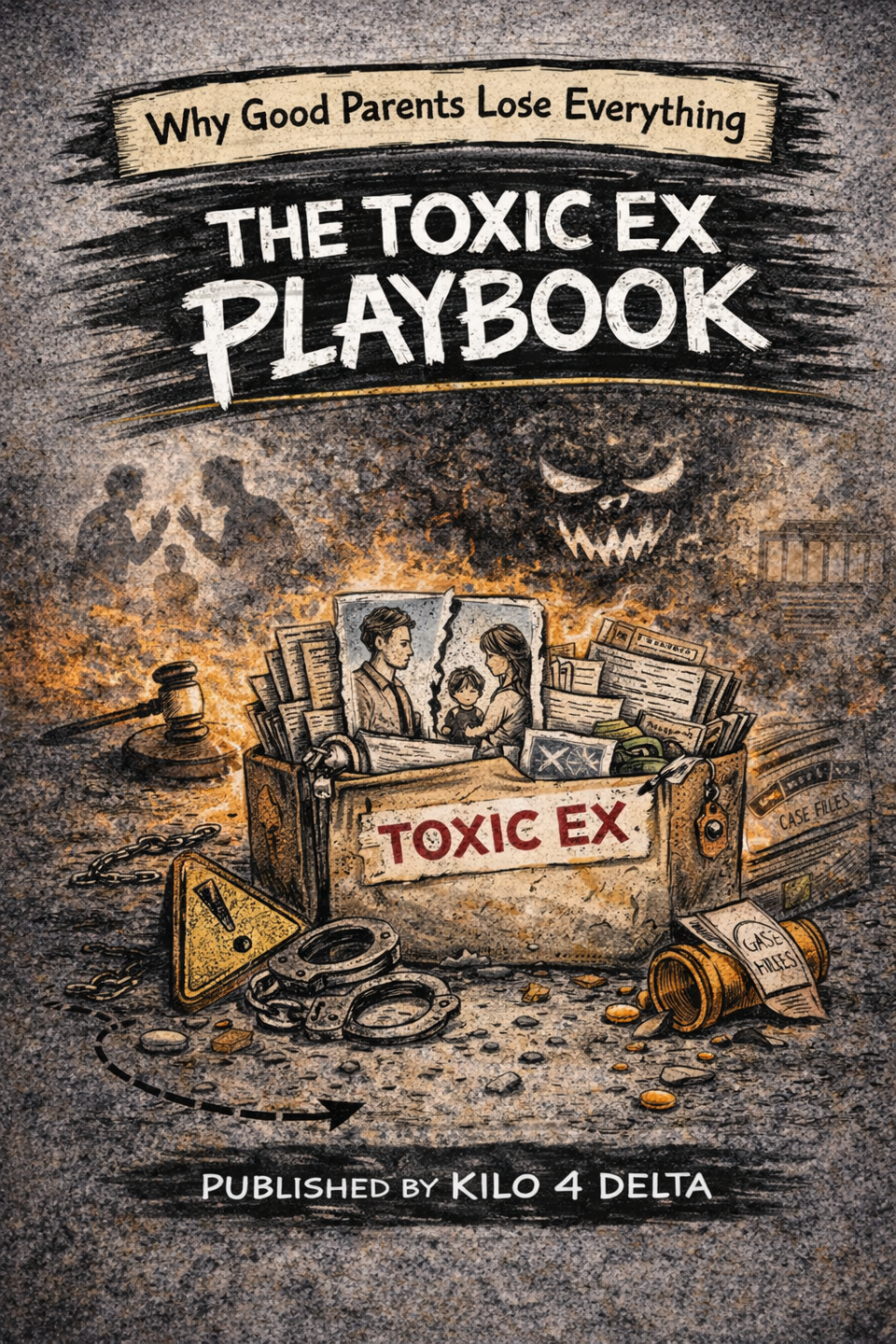
Get Clarity before Legal Costs
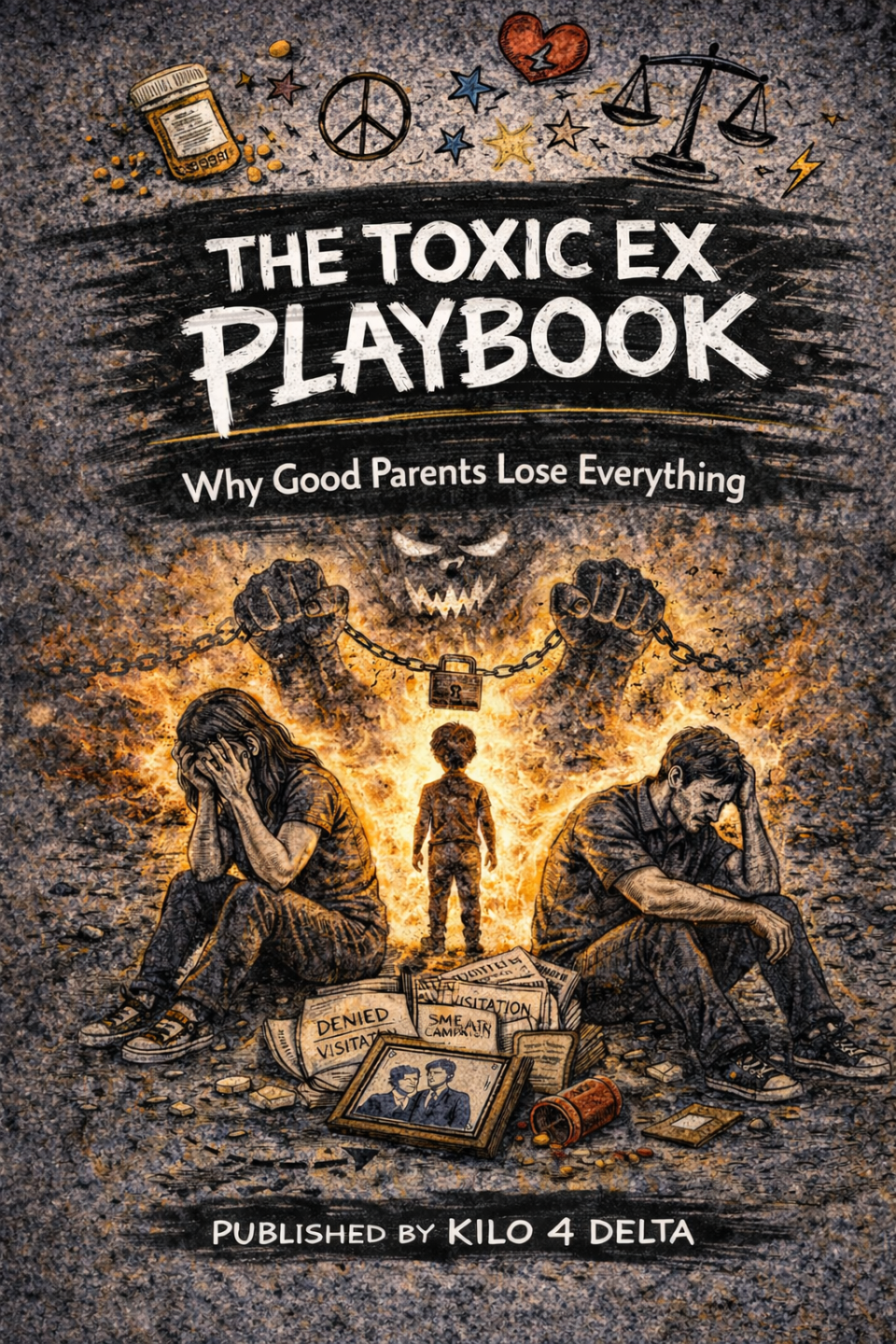
Download the free PlayBook and understand risk, leverage and positioning before you spend thousands.
GET YOUR FREE E-BOOK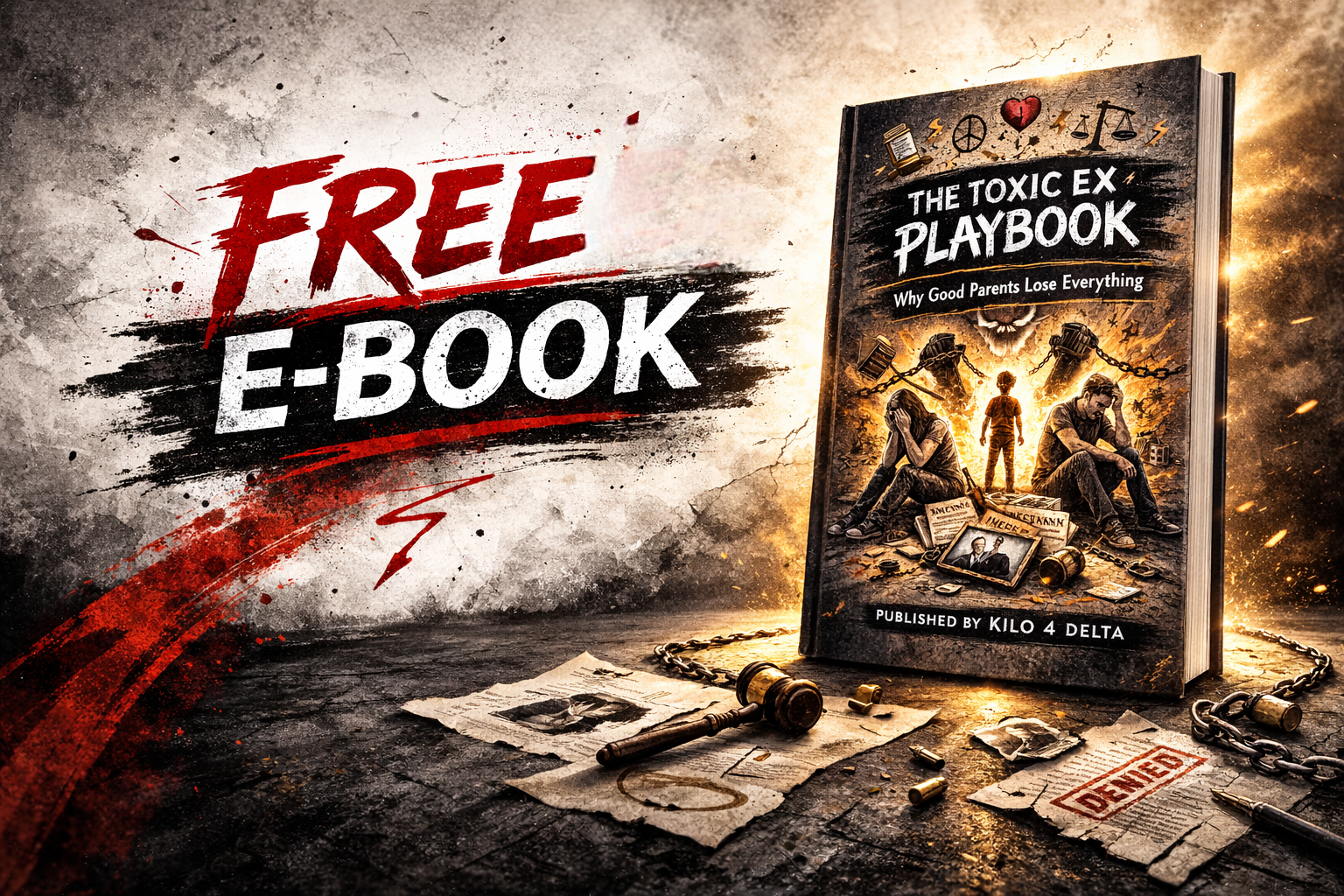
Separation?
False allegations?
Children Withheld?
Before you react, understand the pattern.
If you’re dealing with manipulation, emotional escalation, or strategic allegations, this guide helps you stabilise your thinking and protect your position.
No outrage. No chaos. Just structured insight.

High-Conflict Follows a Pattern
The 12 Stages Explained
From early positioning to court escalation, each chapter helps you recognise what’s happening and what to do next.
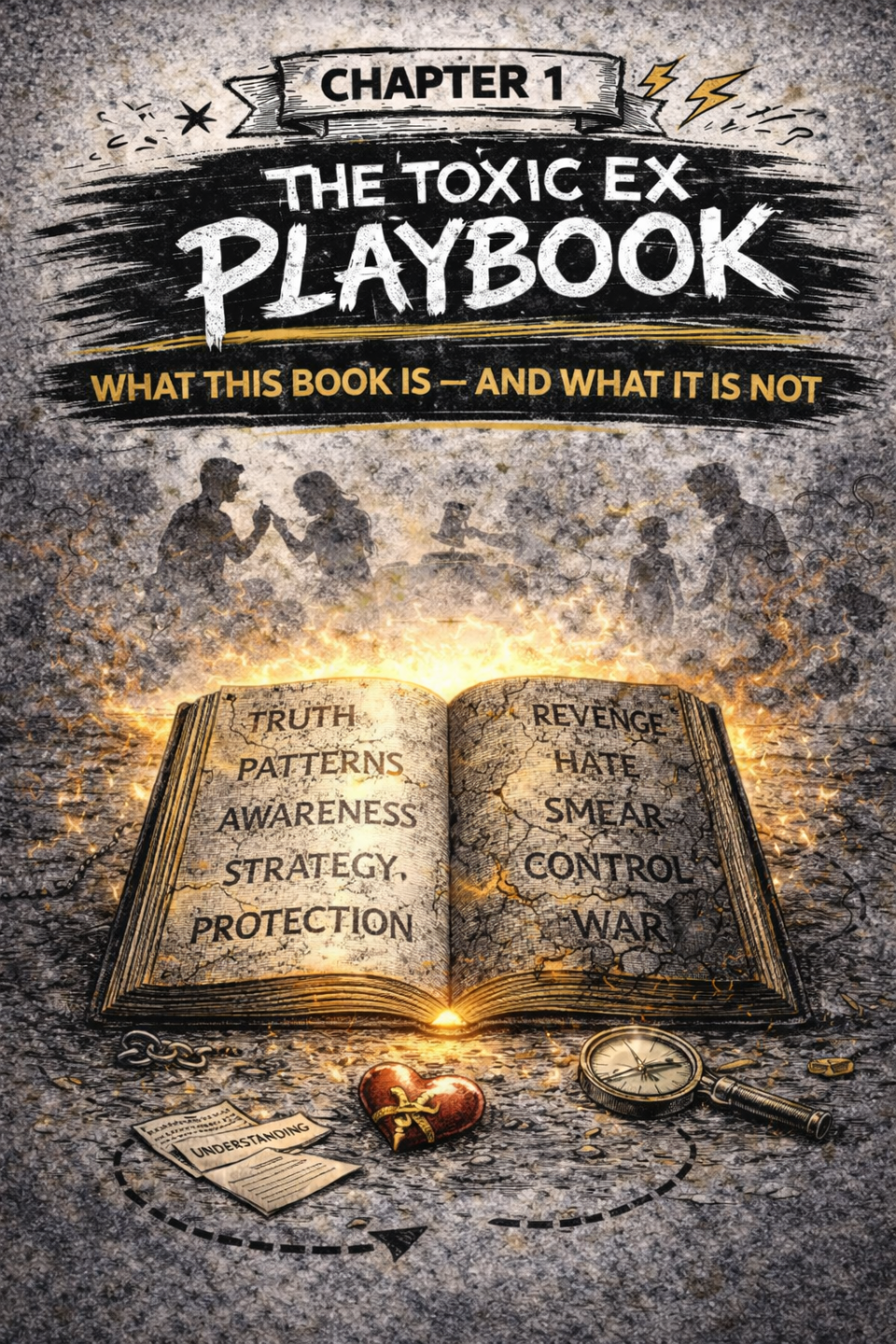
CHAPTER 1
What This Book is and What It Is Not
This chapter sets the foundation. It explains what this book is designed to do and just as importantly, what it isn’t. No outrage. No blame. Just structured thinking, clarity, and a disciplined approach to navigating high-conflict family law matters.
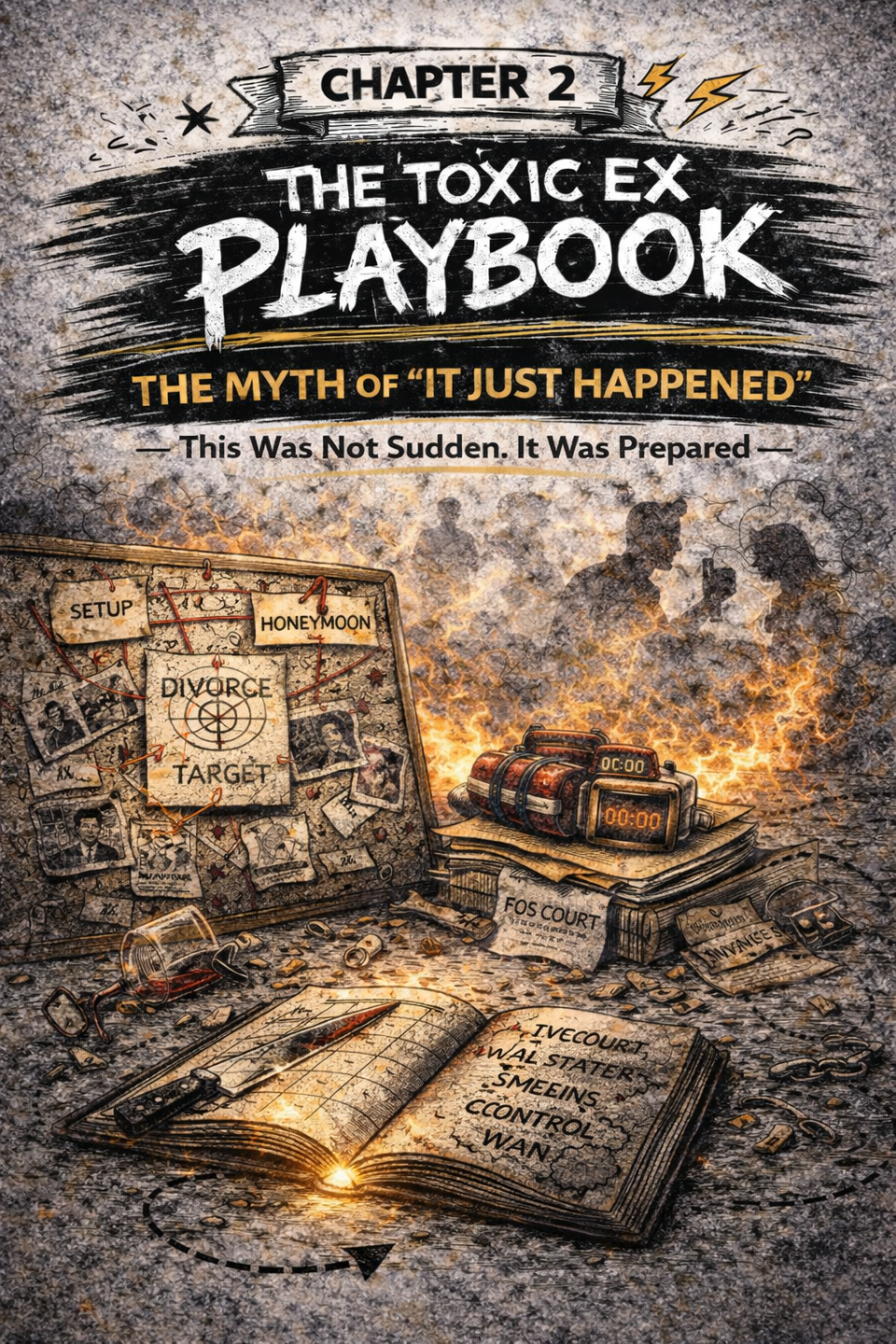
CHAPTER 2
The Myth of “It Just Happened”
Control rarely appears suddenly it’s built in stages. This chapter breaks down the preparation phase behind sudden allegations, applications, and legal moves. Understanding the pattern helps you stop reacting and start responding strategically.
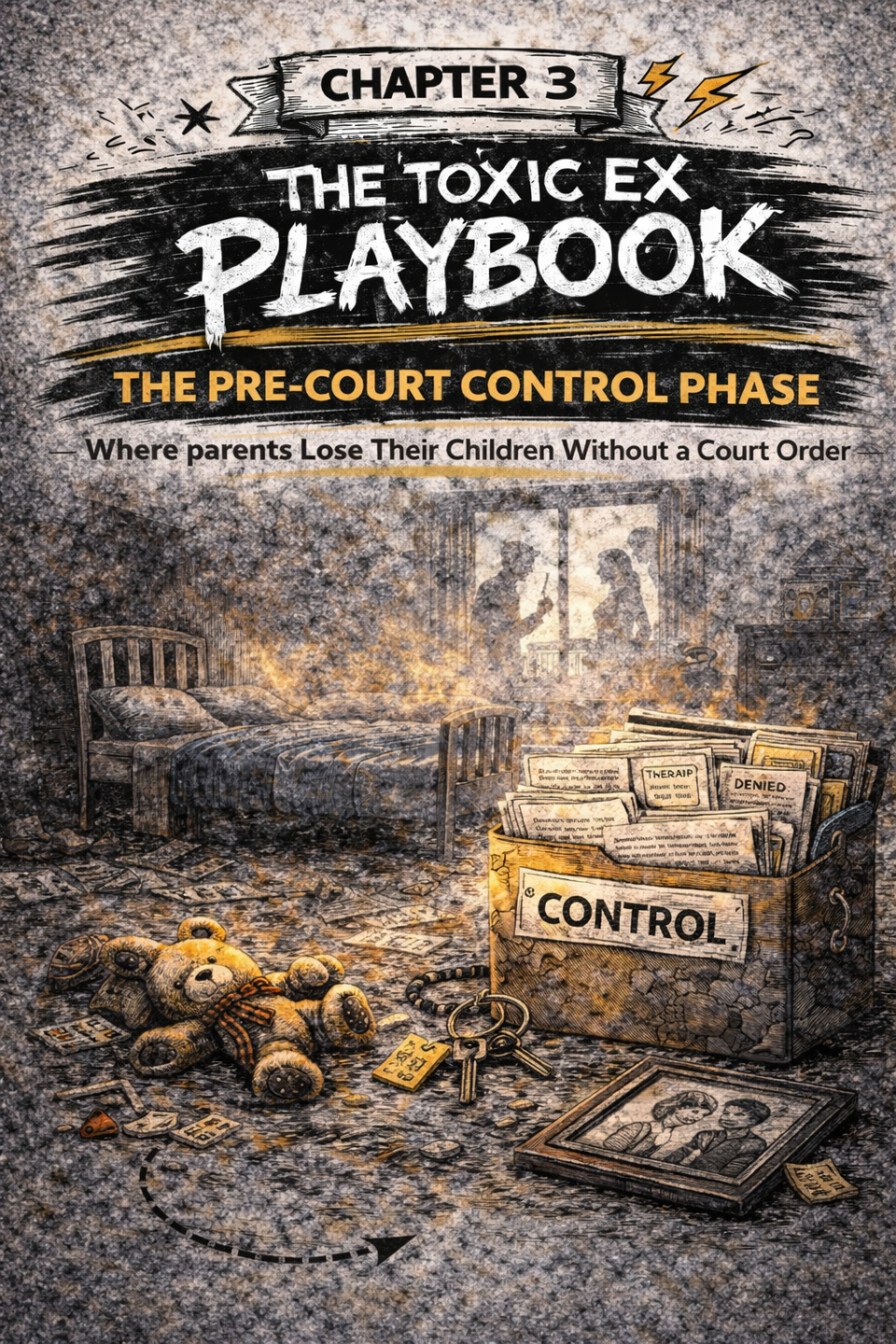
Chapter 3
The Pre-Court Control Phase
Before court orders are made, positioning begins. This chapter outlines how narratives are shaped, evidence is framed, and pressure is applied long before a judge hears your case. Awareness here protects you from early imbalance.
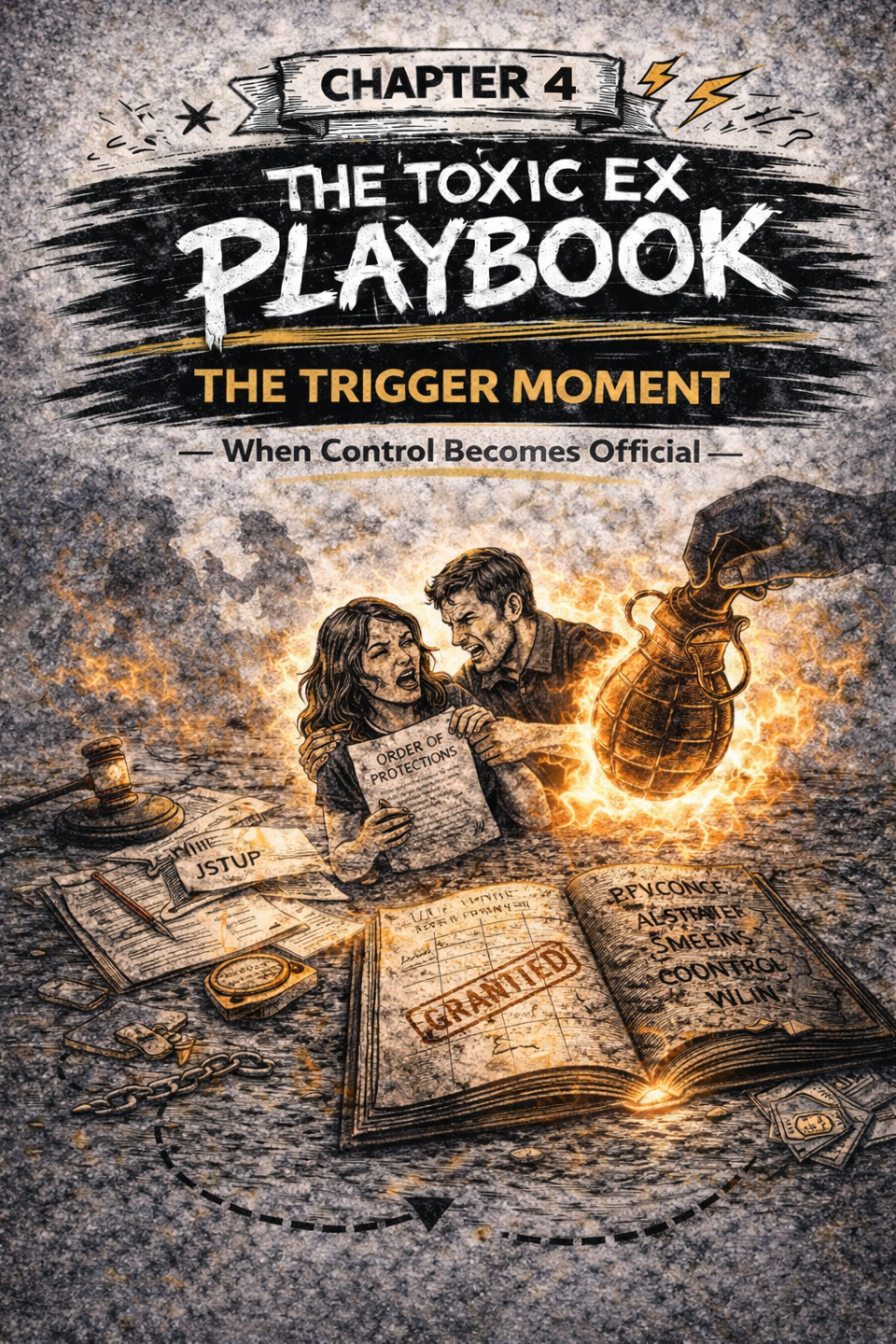
Chapter 4
The Trigger Moment
There is usually a specific escalation point, an event that shifts the dynamic into formal conflict. This chapter explains how that moment is often engineered and how disciplined preparation can prevent it from defining your case.
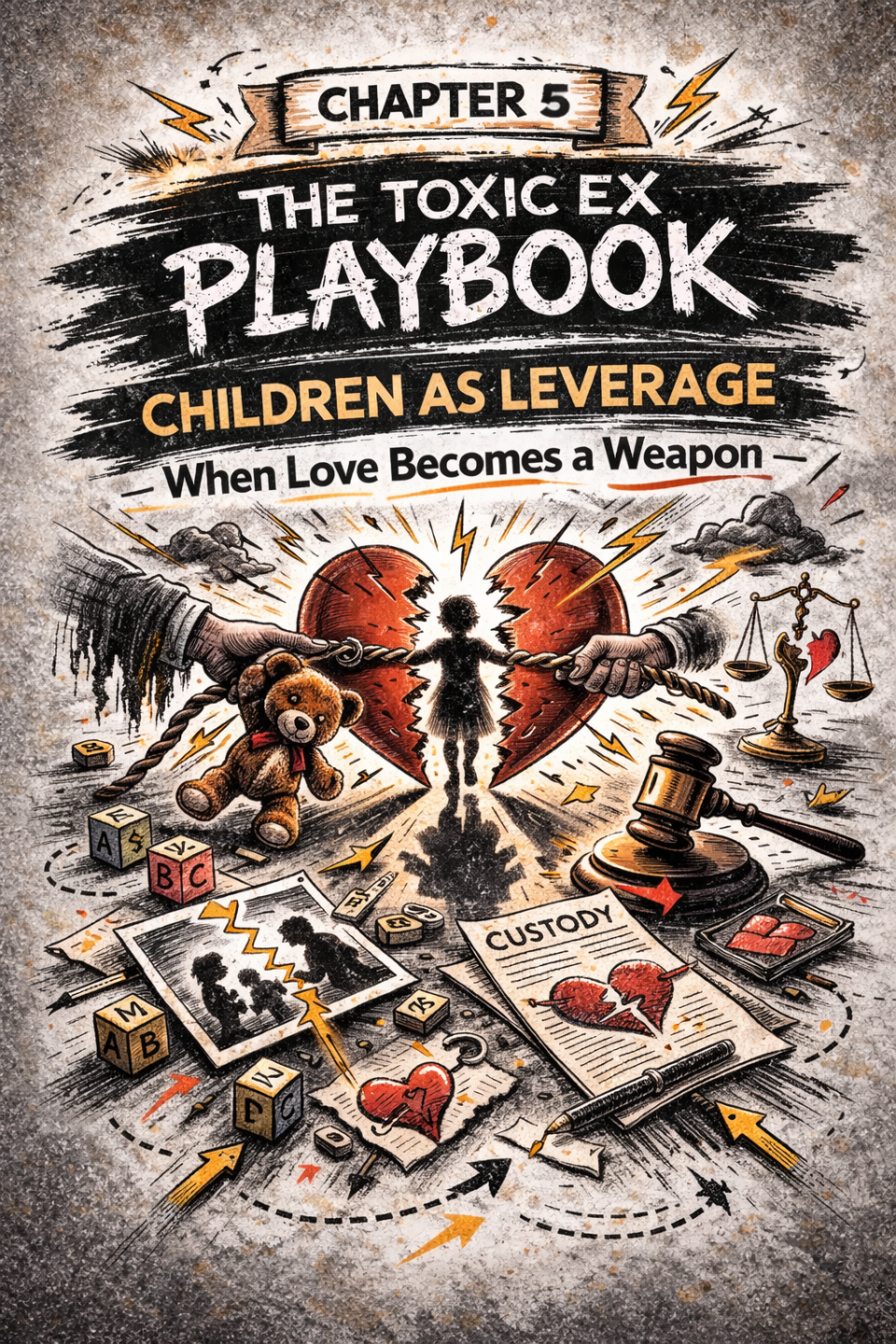
Chapter 5
Children as Leverage
Reputation becomes a weapon in high-conflict disputes. This chapter explores how narratives are constructed, repeated, and reinforced and how to respond without feeding the chaos or damaging your long-term credibility.
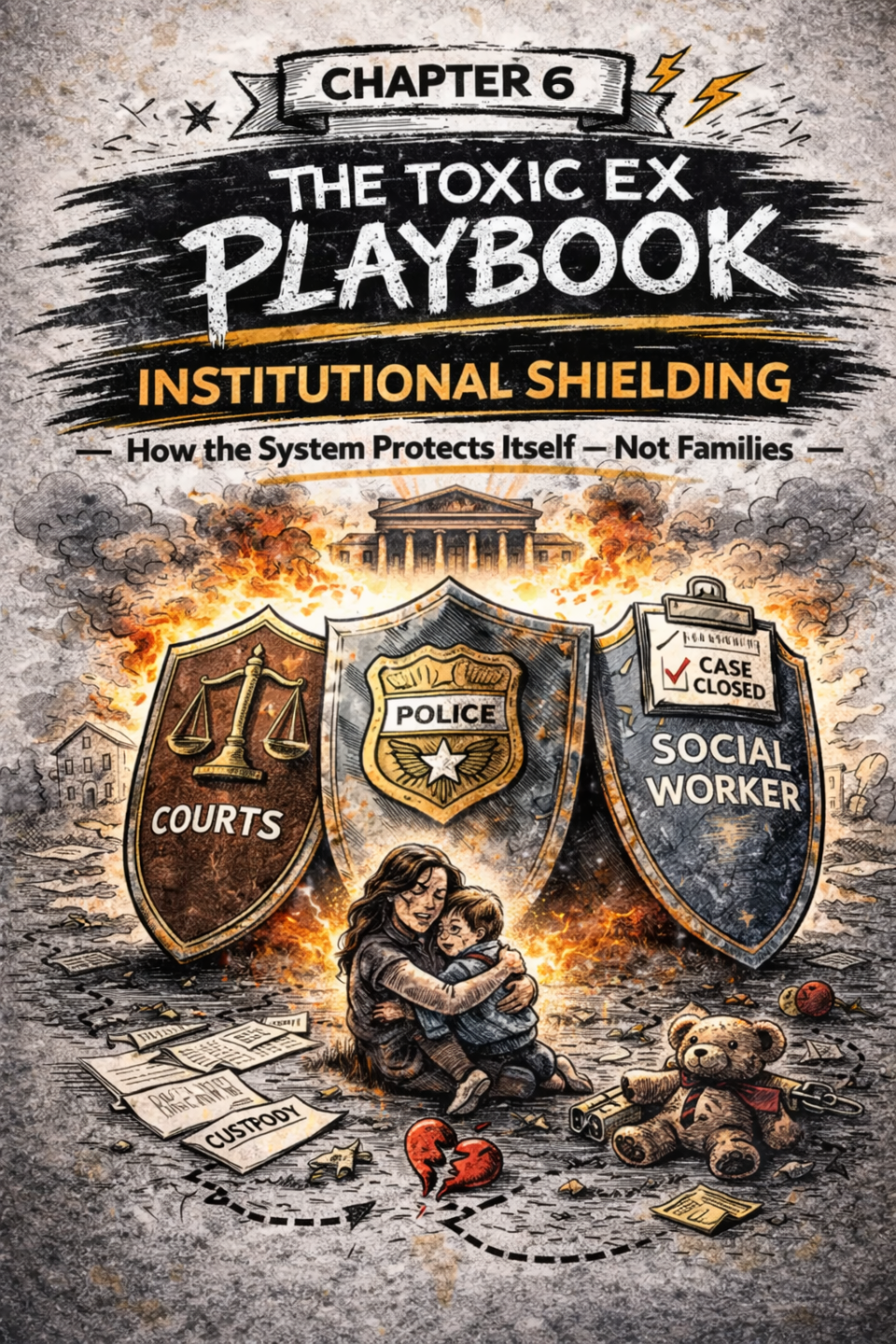
Chapter 6
Institutional Shielding
Family law disputes often blend emotion with legal tactics. This chapter unpacks how emotional triggers are embedded into affidavits, correspondence, and court processes and how separating emotion from strategy strengthens your position.
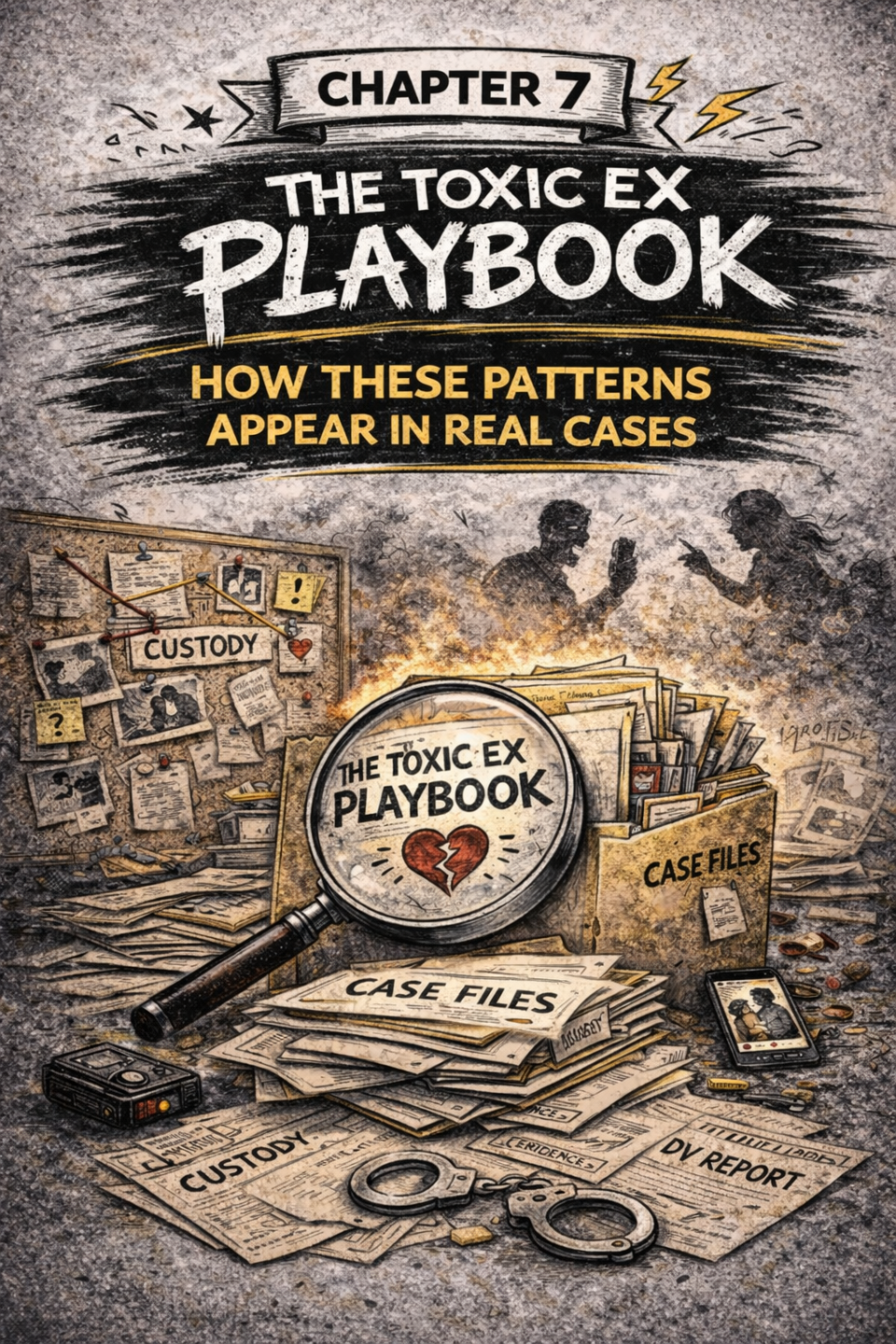
Chapter 7
How Patters Appear
Delays, applications, urgent filings, process itself can be used as leverage. This chapter explains how procedural pressure is applied and how a structured approach prevents you from being overwhelmed or financially drained.
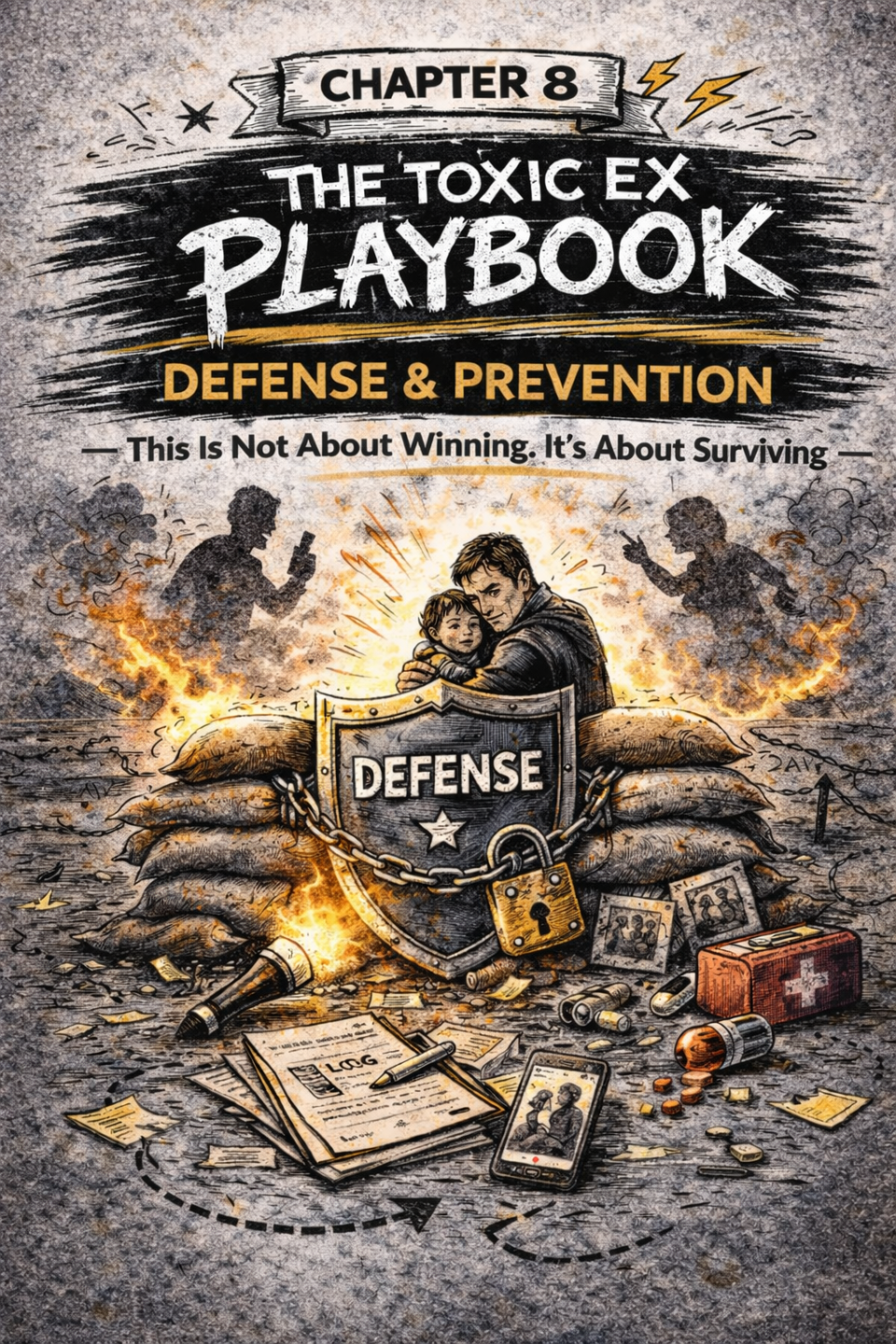
Chapter 8
Defense & Prevention
Not all information carries equal weight. This chapter clarifies the difference between emotional narrative and usable evidence. It focuses on identifying what actually matters to the court and discarding what doesn’t.
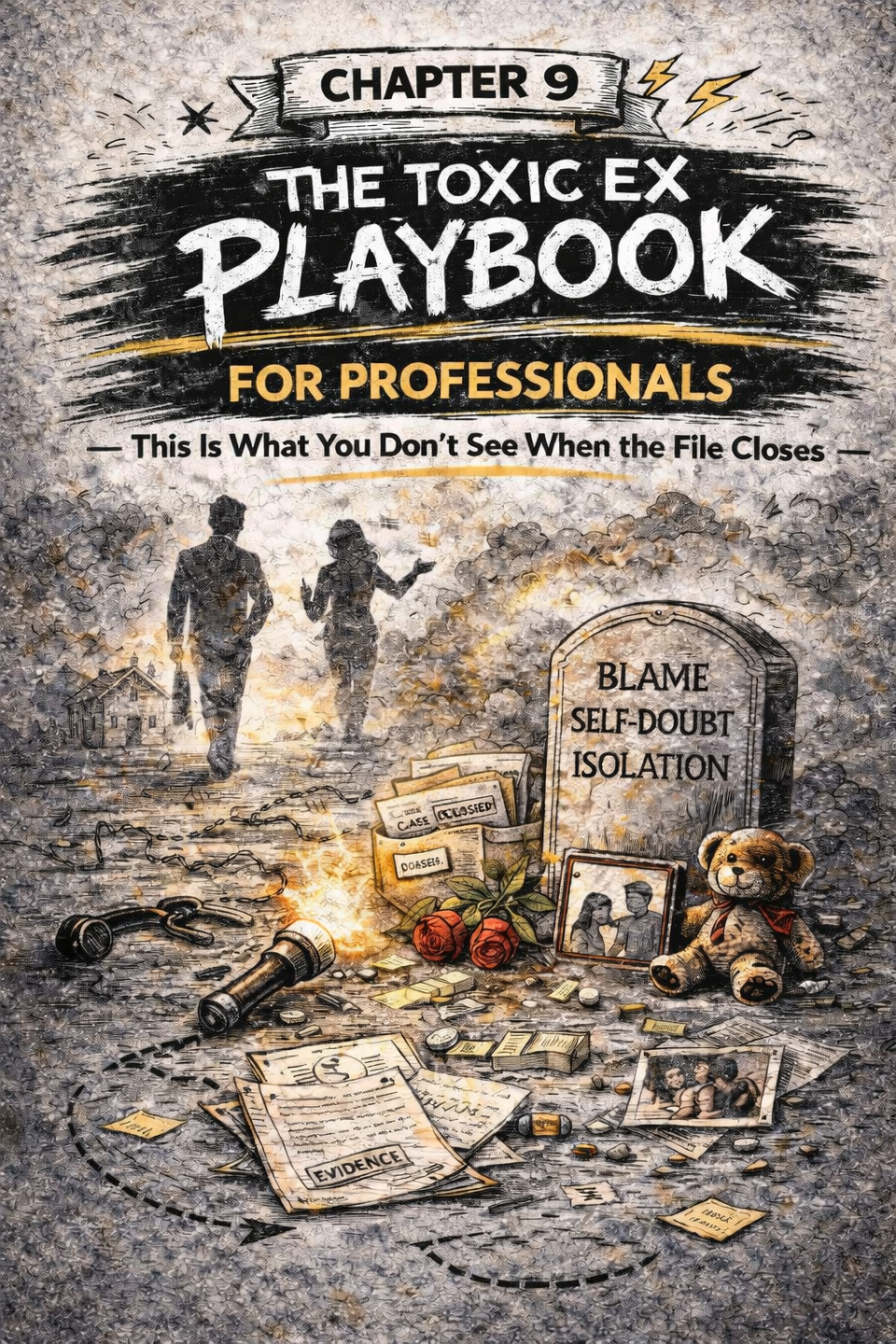
Chapter 9
For Professionals
By the time you step into court, positioning is already in play. This chapter examines how structure, consistency, and disciplined documentation influence outcomes more than reactive arguments ever could.
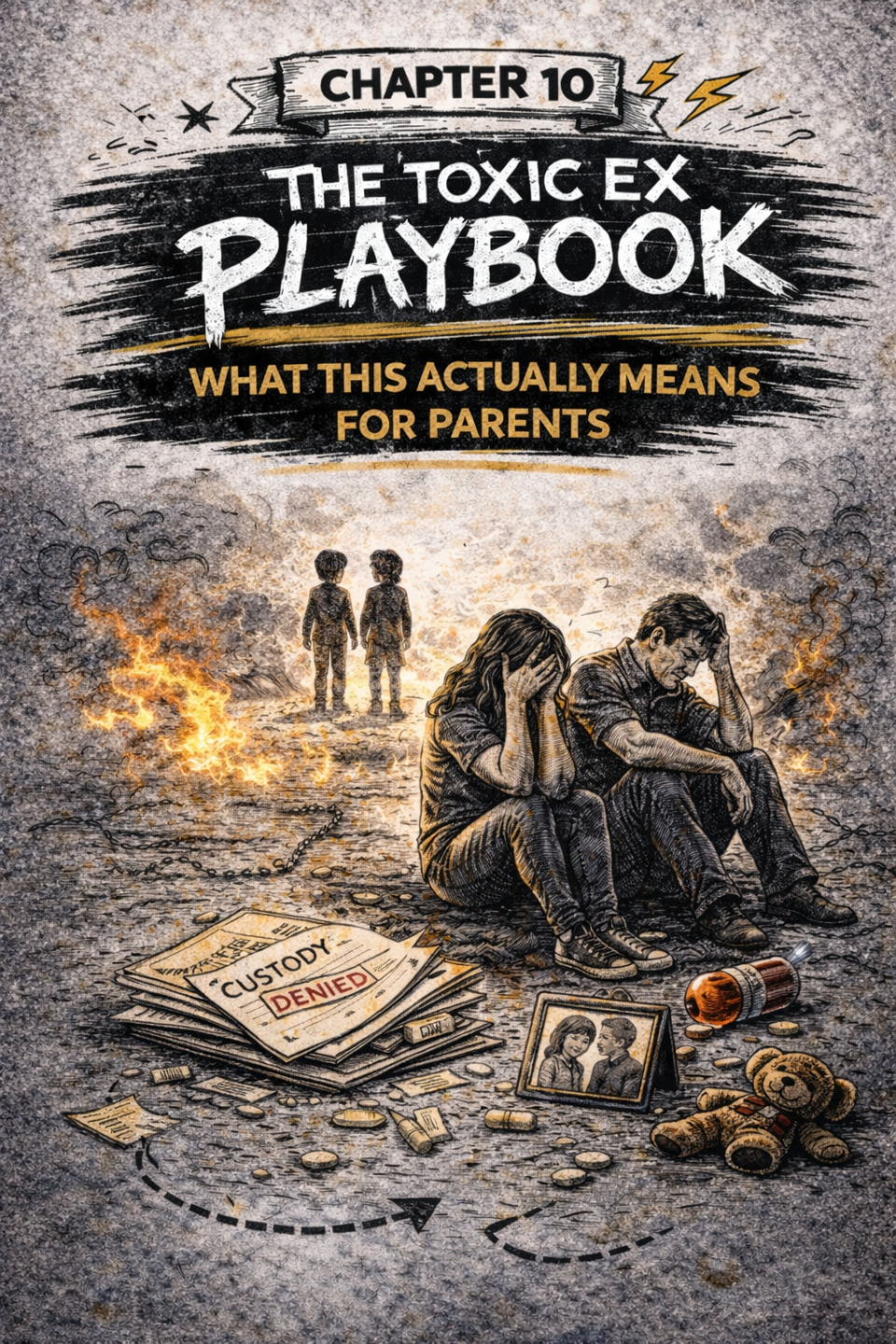
Chapter 10
What this Actually Means for Parents
Prolonged disputes are often designed to exhaust you. This chapter outlines how financial and psychological pressure are used strategically and how structured planning preserves both your energy and resources.
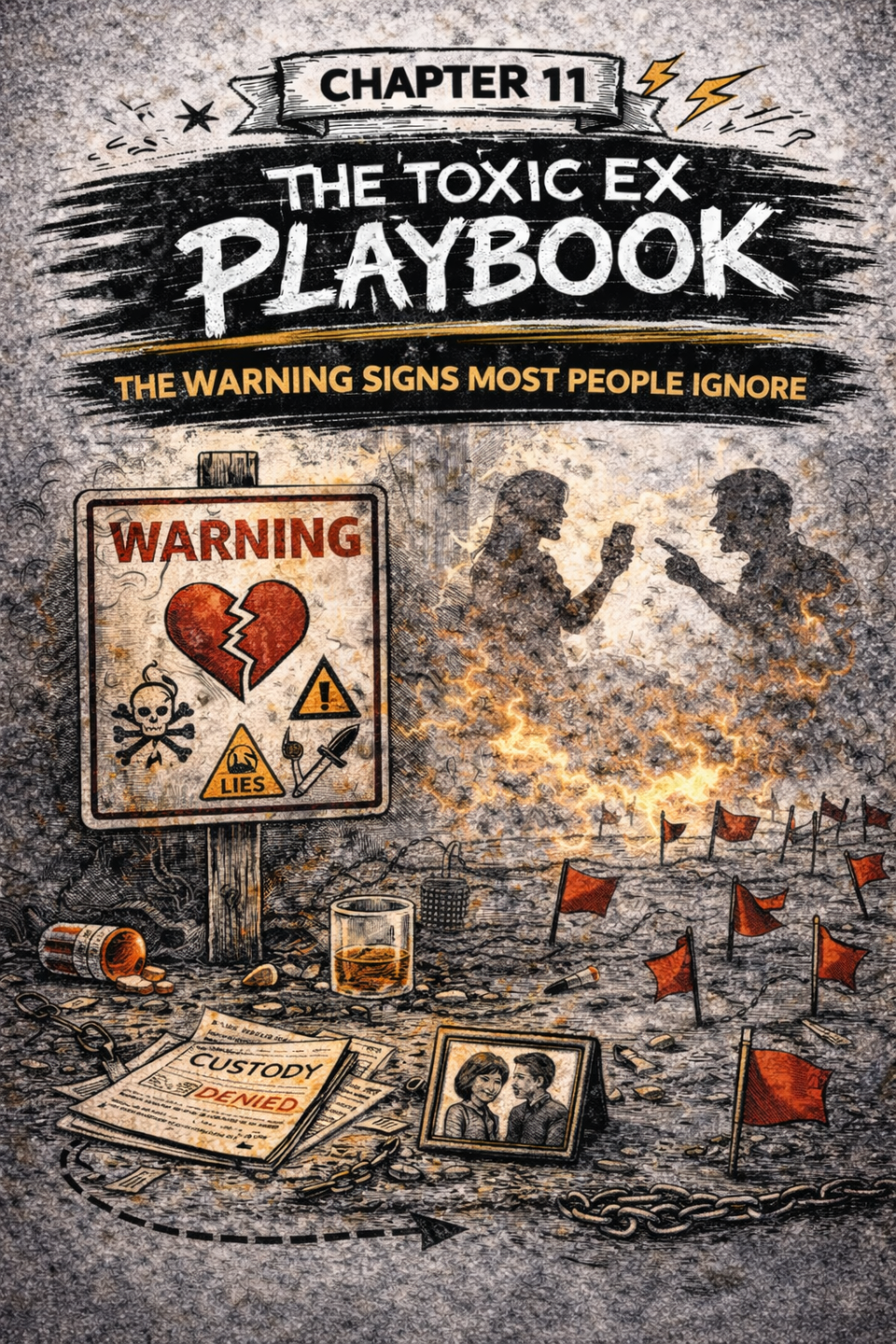
Chapter 11
The Warning Signs Most People Ignore
Every reaction shapes your future leverage. This chapter focuses on stepping back from urgency and making decisions that protect your long-term position, rather than chasing short-term emotional wins.
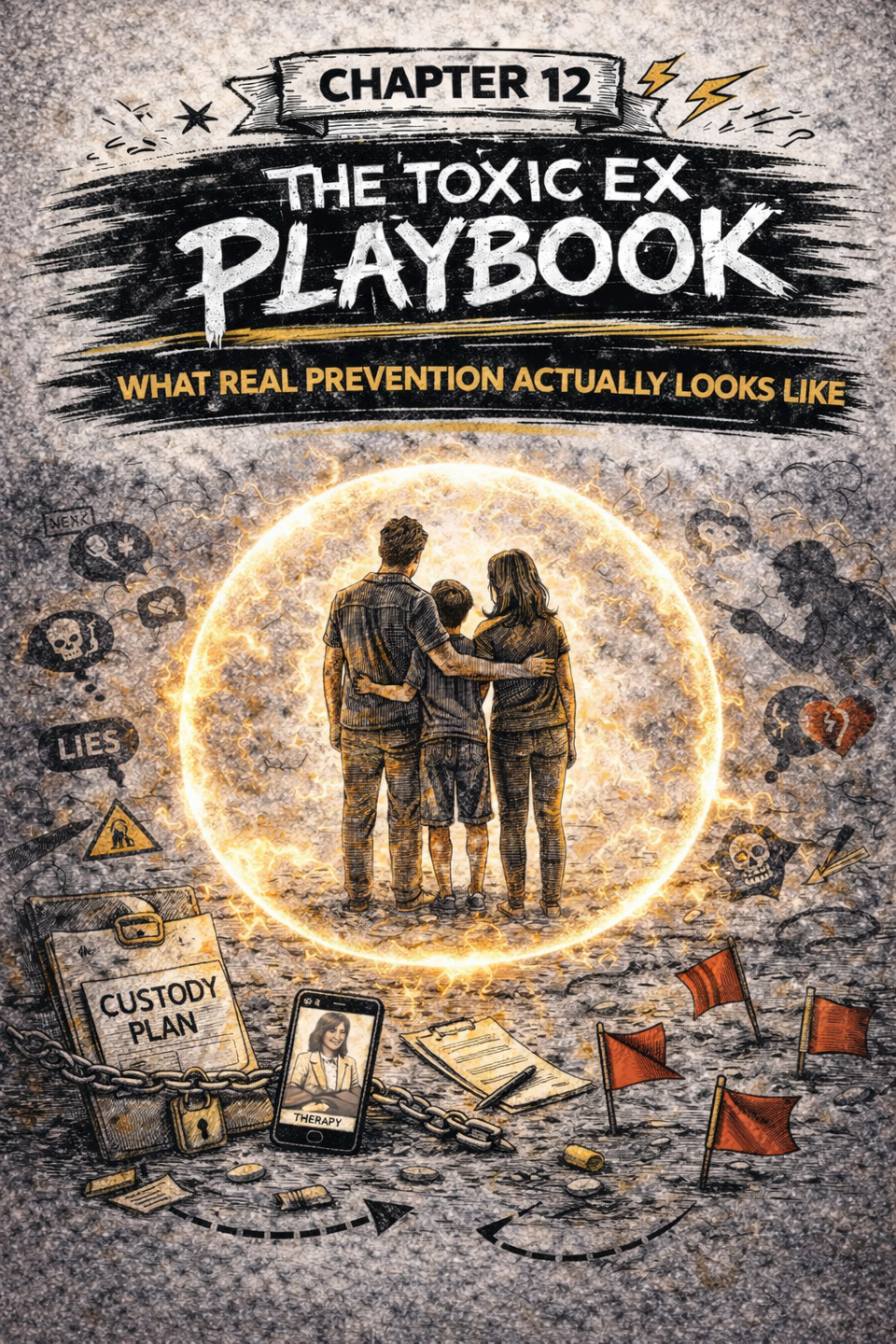
Chapter 12
What Real Prevention Actually Looks Like
The final chapter brings everything together. It reinforces that clarity, discipline, and structured thinking are your strongest protections. When you remove noise and focus on strategy, you regain control of your direction.
High-conflict disputes follow patterns.
Most people don’t lose control overnight.
They lose it gradually.
• Emotional baiting
• Escalating allegations
• Narrative manipulation
• Weaponised communication
• Strategic use of process
If you don’t understand the pattern, you react to it.
Reaction is expensive.
Clarity is leverage.
GET YOUR FREE E-BOOK
Move from overwhelm to clarity in family law disputes
High-conflict family disputes leave you exhausted and uncertain. Structured thinking cuts through the noise so you can move forward with confidence.
WHY THIS MATTERS
Because family court does not reward emotion.
It rewards structure, consistency, documentation and credibility.
The earlier you shift from reactive to strategic, the less damage you create.
High-conflict disputes punish hesitation.
They punish emotional reaction even more.
This playbook helps you stabilise before legal fees compound.
Get The Playbook for FREE
Stabilise your thinking.
Protect your leverage.
Get disciplined before things escalate further.